Can Smokers Get Dental Implants?
Many patients who smoke ask dental clinics in Korea a very direct question:
“Can smokers get dental implants, or will smoking cause failure?”
The short answer is: yes, smokers can get dental implants, but smoking significantly increases the risk of complications and implant failure if not properly managed.
Below is a clear, realistic explanation of what smokers need to know before choosing implant treatment.
How Smoking Affects Dental Implants
Smoking negatively impacts implant success in several ways:
- Reduced blood flow to the gums
- Slower healing after surgery
- Higher risk of infection
- Impaired bone regeneration
These factors interfere with osseointegration, the critical process where the implant bonds with the jawbone.
Implant Success Rate: Smokers vs Non-Smokers
Non-Smokers
- Dental implant success rates are typically 95% or higher.
Smokers
- Studies show smokers experience implant failure rates 2–3 times higher than non-smokers, especially during the early healing phase.
The risk increases with:
- Number of cigarettes per day
- Long-term smoking history
- Poor oral hygiene
Does Smoking Automatically Disqualify You?
No. Smoking does not automatically disqualify patients from dental implant treatment.
However, dentists will carefully evaluate:
- Bone quality and density
- Gum health
- Healing capacity
- Willingness to follow smoking restrictions
Many smokers successfully receive implants with proper planning and cooperation.
When Is the Risk Highest?
Early Healing Stage
- The first 8–12 weeks after surgery are the most critical. Smoking during this period greatly increases the chance of early implant failure.
Long-Term Maintenance
- Continued smoking raises the risk of peri-implantitis, a gum infection that can cause late implant failure years after placement.
What Dentists Recommend for Smokers
Most Korean dental clinics strongly advise:
- Stop smoking at least 1–2 weeks before surgery
- Avoid smoking for 2–3 months after implant placement
- Maintain excellent oral hygiene
- Attend regular follow-up visits
Even temporary smoking cessation can significantly improve success rates.
Are There Implant Techniques Better for Smokers?
Advanced approaches may help reduce risk:
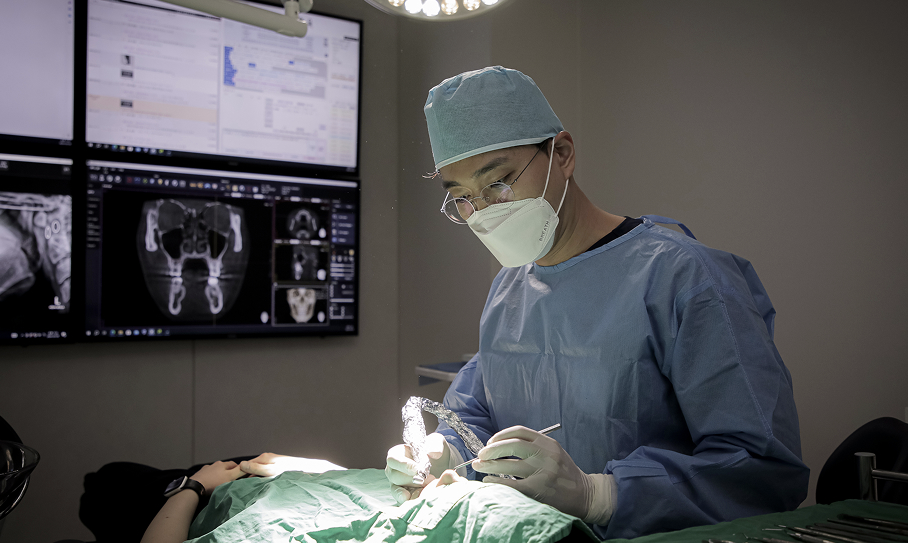
- Digital guided implant surgery for precise placement
- Bone grafting to improve stability
- Surface-treated implants designed for faster integration
- Strict infection control protocols
These techniques do not eliminate risk but help improve outcomes.
Is Quitting Smoking Worth It for Implant Success?
Absolutely.
Patients who quit smoking before and after implant surgery show:
- Faster healing
- Lower infection rates
- Significantly higher long-term implant survival
For many patients, implant treatment becomes a strong motivation to reduce or quit smoking altogether.
Final Thoughts
Smokers can receive dental implants, but success depends heavily on smoking habits, timing, and aftercare. While the risks are higher, they are not unavoidable.
In Korea, experienced implant specialists use advanced planning and strict protocols to help smokers achieve successful outcomes, especially when patients actively cooperate with smoking cessation and follow-up care.