Cheapest Countries for Dental Implants

January 15, 2026

Many patients considering dental implants ask:

“Which countries offer the most affordable dental implant treatment?”

The short answer is: several countries around the world offer dental implants at significantly lower prices than in the U.S., Canada, or Western Europe, but cost should be balanced with quality, technology, and safety. Knowing where prices are lowest — and why — helps patients plan treatment with confidence.

Here’s a clear look at some of the cheapest countries for dental implants, typical price ranges, and what to consider when choosing a destination.

Top Countries With Low Implant Costs

The following countries are commonly cited as offering some of the most affordable dental implant treatments worldwide:

  • Korea: $900 – $1,900 per implant (approx. β‚©1,200,000 – β‚©2,500,000)
  • Thailand: $900 – $1,800 per implant (approx. ΰΈΏ30,000 – ΰΈΏ60,000)
  • Mexico: $800 – $1,500 per implant
  • Turkey: $800 – $1,700 per implant
  • India: $800 – $1,400 per implant
  • Poland: $1,000 – $2,000 per implant

These price ranges reflect typical costs at reputable clinics — not bargain-basement deals — and include the implant fixture, abutment, and crown in most cases.

What’s Usually Included in Low-Cost Packages

In many of these countries, dental implant pricing generally includes:

  • Implant fixture placement
  • Abutment
  • Final crown
  • Local anesthesia
  • Basic follow-up visits

Additional procedures are often added separately:

  • Bone grafting
  • Sinus lift surgery
  • CT scans and digital planning
  • Temporary teeth during healing

When comparing prices, always confirm what is and isn’t included.

Why Implants Are Cheaper in These Countries

Several factors contribute to lower dental implant costs:

  • Lower cost of living and wages
    Clinics can charge less because overhead is lower.
  • High competition among dental providers
    More clinics drive prices down.
  • In-house laboratories and streamlined workflows
    Digital planning and manufacturing reduce costs.
  • Government-regulated pricing environments
    Some countries regulate medical fees to keep them affordable.

Even with lower prices, many of these countries use globally trusted implant brands and modern technology.

Quality & Safety Considerations

Cost alone should not be the only factor. Patients should look for:

  • Use of trusted implant systems
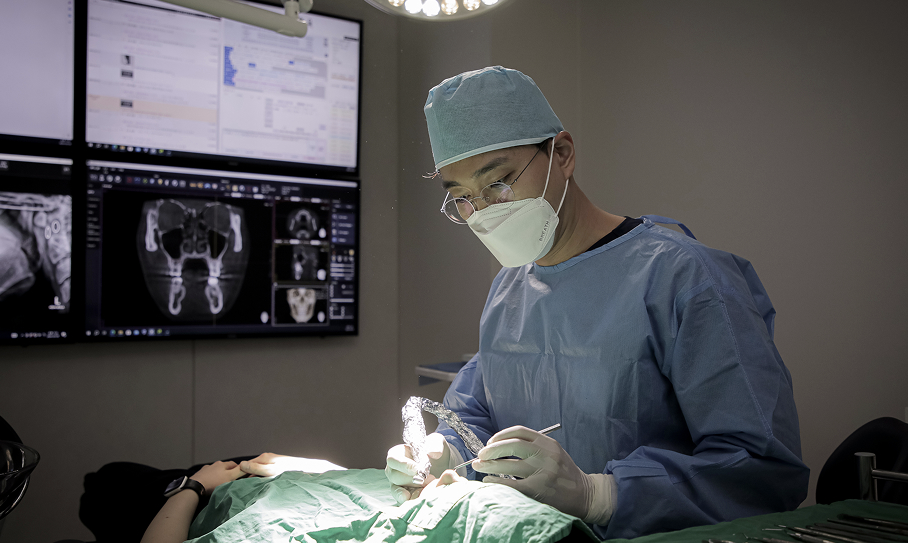
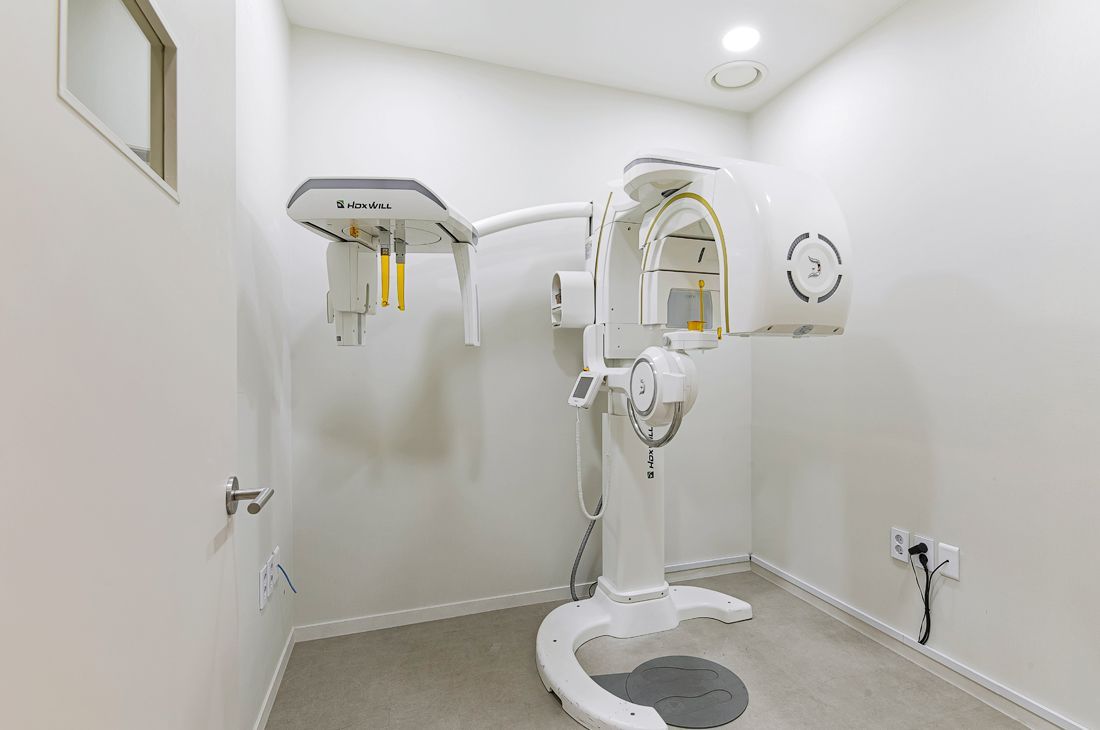
  • 3D CT imaging and guided surgery
  • Sterile surgical environments
  • Experienced implant specialists
  • Transparent aftercare plans

Countries with low prices — including those listed above — do have high-quality clinics, but quality varies widely between individual practices.

Travel & Total Treatment Cost

When considering treatment abroad, also factor in:

  • Round-trip airfare
  • Accommodation
  • Local transportation
  • Multiple visit scheduling
  • Aftercare follow-up (remote or return visits)

Even with travel costs included, some patients still save significant money compared with implant prices in high-cost countries.

How to Choose the Best Destination

Ask yourself:

  • Is the clinic experienced with international patients?
  • Are CT scans and full treatment planning included?
  • What implant brands do they use?
  • Is aftercare supported remotely once I return home?
  • Does the total cost (including travel) still justify treatment abroad?

A detailed cost breakdown and transparent treatment plan help you make a smart choice.

Final Thoughts

Some of the cheapest countries for dental implants — including Korea, Thailand, Mexico, Turkey, India, and Poland — offer excellent value without sacrificing quality when the right clinic is chosen.

Balancing cost, quality, safety, and convenience ensures the best outcome for your implant treatment, whether at home or abroad.
January 15, 2026
Many patients preparing for dental implants ask: “When can I go back to eating normal food after implant surgery?” The short answer is: you can start eating soft foods within a day, but fully normal eating usually returns after several weeks once healing progresses. Following the right food timeline protects your implant and speeds recovery. Here’s what to expect. First 24–48 Hours Immediately after surgery, stick to: Cold or lukewarm liquids Smooth soups Yogurt and smoothies Mashed foods Avoid hot, spicy, crunchy, or chewy foods that can disturb the surgical site. Days 3–7: Soft Food Phase As swelling and soreness decrease, you can add: Scrambled eggs Soft rice or noodles Fish Tofu Steamed vegetables Chew on the opposite side of your mouth whenever possible. Weeks 2–4: Gradual Return to Normal Most patients can slowly reintroduce: Soft meat Bread Pasta Cooked vegetables You should still avoid very hard or sticky foods during this phase. After Full Healing Once the implant has bonded to the bone and the final crown is placed: You can eat normally You can bite and chew confidently Your implant functions like a natural tooth This usually happens after 2–6 months , depending on your case. Foods to Avoid During Healing To protect your implant, avoid: Nuts and seeds Hard candy Ice Chewing gum Crunchy snacks Very hot foods These can disturb healing or damage temporary crowns. Final Thoughts Eating normally after implant surgery is a gradual process , but most patients return to comfortable chewing within a few weeks. By following food guidelines, you help your implant heal properly and enjoy a strong, long-lasting result.
January 15, 2026
Many patients planning dental implants ask: “How long does it take to recover after dental implant surgery?” The short answer is: initial recovery takes a few days, but full healing and implant integration take several months. Knowing what happens at each stage helps patients plan work, travel, and daily life with confidence. Here’s a clear look at what recovery really looks like. First 24–48 Hours After Surgery Right after implant placement, most patients experience: Mild to moderate swelling Minor bleeding or oozing Soreness or pressure in the jaw Temporary numbness from anesthesia During this time, rest, cold compresses, and prescribed medication are important. Days 3–7: Early Healing As the first week progresses: Swelling begins to go down Pain decreases significantly Gums start to close over the implant site Normal activities can gradually resume Soft foods and gentle oral hygiene are recommended. Weeks 2–4: Gum Healing Phase During this stage: The gum tissue becomes stronger Stitches (if any) are removed Tenderness continues to fade The implant becomes more stable Most patients feel close to normal by the end of this period. Months 2–6: Bone Integration This is the most important phase: The implant fuses with the jawbone (osseointegration) The foundation for the final tooth becomes strong You can use the area carefully, but avoid heavy biting This step ensures long-term implant success. Final Restoration Stage Once the implant is fully integrated: The abutment is placed A custom crown is attached Bite and comfort are adjusted You can now use your implant just like a natural tooth. What Can Delay Healing Recovery may take longer if you: Smoke Have diabetes or gum disease Need bone grafting or sinus lift surgery Do not follow aftercare instructions Proper care speeds up healing and reduces complications. Final Thoughts Dental implant recovery is a gradual, predictable process. While the first few days involve mild discomfort, the long-term result is a strong, permanent tooth replacement. With proper care and patience, most patients enjoy excellent results that last for many years.