Common Causes of Dental Implant Failure
Many patients researching dental implants in Korea worry about one key issue before treatment:
“Why do dental implants fail, and how can I prevent it?”
The short answer is: dental implant failure is uncommon, but when it does occur, it is usually linked to specific risk factors that can often be prevented or managed.
Below is a detailed explanation of the most common causes of dental implant failure and what patients should know.
How Common Is Dental Implant Failure?
Dental implants have a high success rate of approximately 95% or higher when placed properly and maintained well.
Failures are generally classified into two categories:
- Early failure: occurs before the implant fully integrates with bone
- Late failure: occurs months or years after successful integration
Understanding the causes helps reduce risks significantly.
Poor Osseointegration
Osseointegration is the process where the implant fuses with the jawbone.
Failure can occur if:
- Bone quality or quantity is insufficient
- The implant is overloaded too early
- Healing is disrupted
When proper fusion does not occur, the implant may feel loose and need removal.
Gum Infection (Peri-Implantitis)
What It Is
- Peri-implantitis is an inflammatory infection affecting the gums and bone around an implant.
Why It Happens
- Poor oral hygiene allows bacteria to accumulate around the implant, leading to bone loss.
Why It’s Serious
- If untreated, peri-implantitis is the leading cause of late implant failure.
Regular cleaning and checkups are critical for prevention.
Smoking and Tobacco Use
Smoking significantly increases the risk of implant failure because it:
- Reduces blood flow to the gums
- Slows healing
- Increases infection risk
Smokers experience implant failure rates 2–3 times higher than non-smokers. Many Korean clinics strongly recommend quitting before and after implant surgery.
Excessive Bite Force or Teeth Grinding
Bruxism
- Habitual teeth grinding places excessive pressure on implants, especially at night.
Improper Bite Alignment
- Poorly adjusted crowns can cause uneven stress, leading to mechanical complications or bone loss.
Night guards and proper bite adjustment help protect implants long term.
Underlying Medical Conditions
Certain health conditions can affect implant success:
- Uncontrolled diabetes
- Severe gum disease
- Immune system disorders
- Poor bone metabolism
These do not always prevent implant treatment but require careful management and planning.
Poor Implant Placement or Planning
Implant failure risk increases when:
- The implant is placed at an incorrect angle
- Important anatomical structures are compromised
- Digital planning is not used
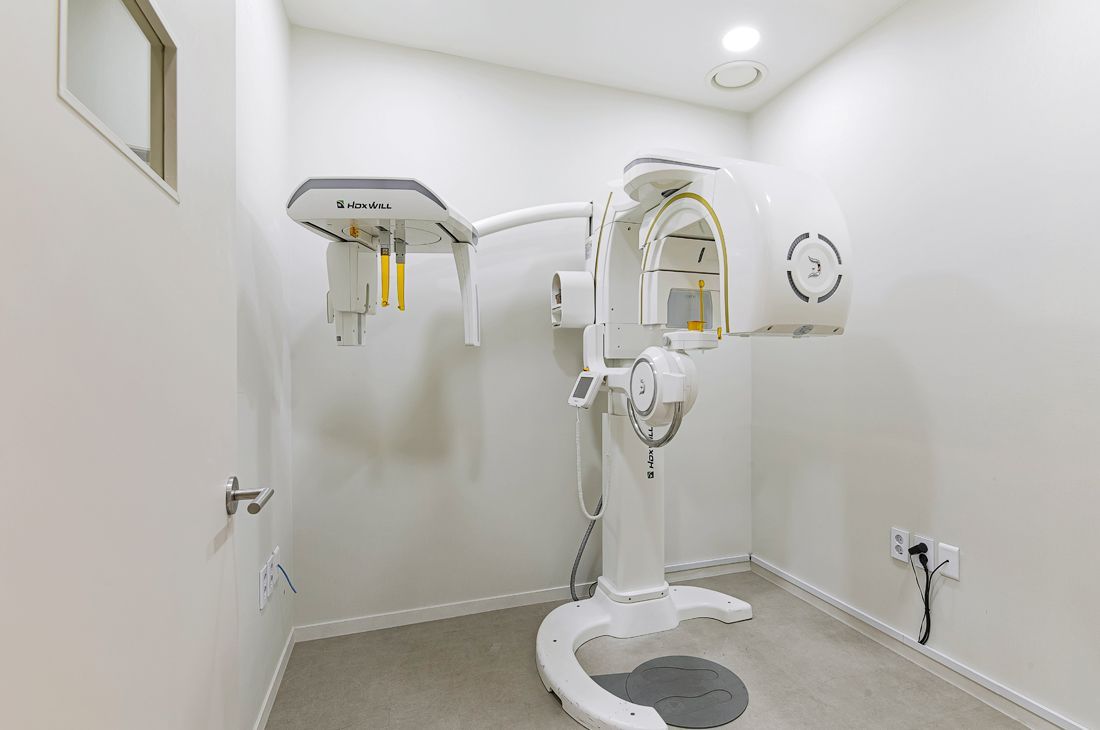
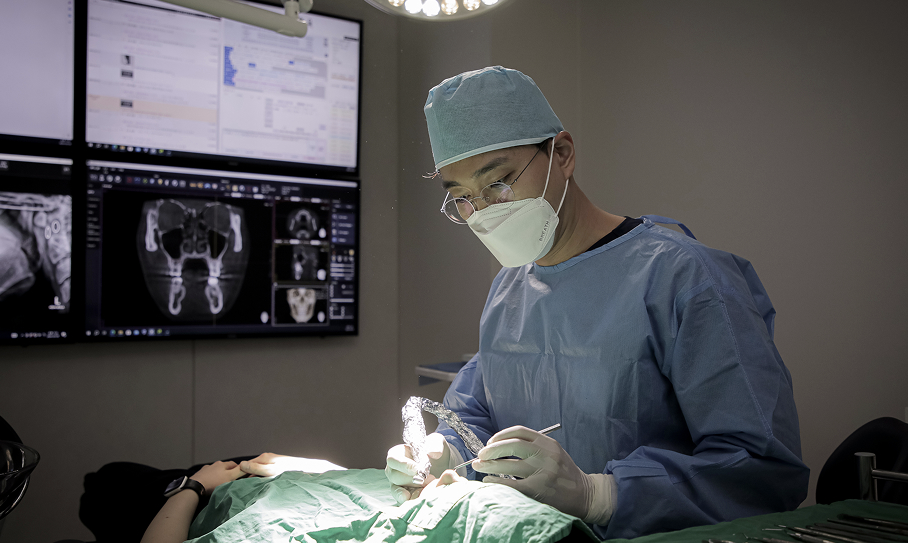
Modern Korean clinics reduce this risk by using 3D CT scans and digital guided implant surgery.
How to Reduce the Risk of Implant Failure
Patients can greatly improve success rates by:
- Maintaining excellent oral hygiene
- Attending regular dental checkups
- Avoiding smoking
- Managing medical conditions properly
- Following post-surgery instructions closely
Implant success is a shared responsibility between dentist and patient.
Final Thoughts
Dental implant failure is rare but possible, and most causes are preventable with proper planning, skilled placement, and consistent aftercare.
For patients in Korea, choosing an experienced clinic and maintaining good oral health are the most effective ways to ensure long-term implant success.