Dental Implant Success Rate and Key Factors
Many patients considering dental implants in Korea often ask an important question before starting treatment:
“How successful are dental implants, and what affects the success rate?”
The short answer is: dental implants have a very high success rate, especially when placed under proper conditions and maintained correctly. In Korea, modern techniques and standardized protocols push success rates even higher.
Here’s a clear breakdown of implant success rates and the key factors that influence long-term results.
What Is the Dental Implant Success Rate?
Overall, dental implants are one of the most reliable dental treatments available.
Typical success rates:
- 95–98% for single tooth implants
- 94–97% for full-arch implant cases
- Similar or higher rates reported in major Korean implant centers
Success means the implant remains stable, functional, pain-free, and free of infection over many years.
Key Factors That Affect Implant Success
Bone Quality and Quantity
Strong jawbone support is essential for implant stability. Patients with sufficient bone volume have higher success rates, while bone loss may require grafting to achieve optimal results.
Surgical Technique and Planning
Precise placement reduces complications. Korean clinics commonly use:
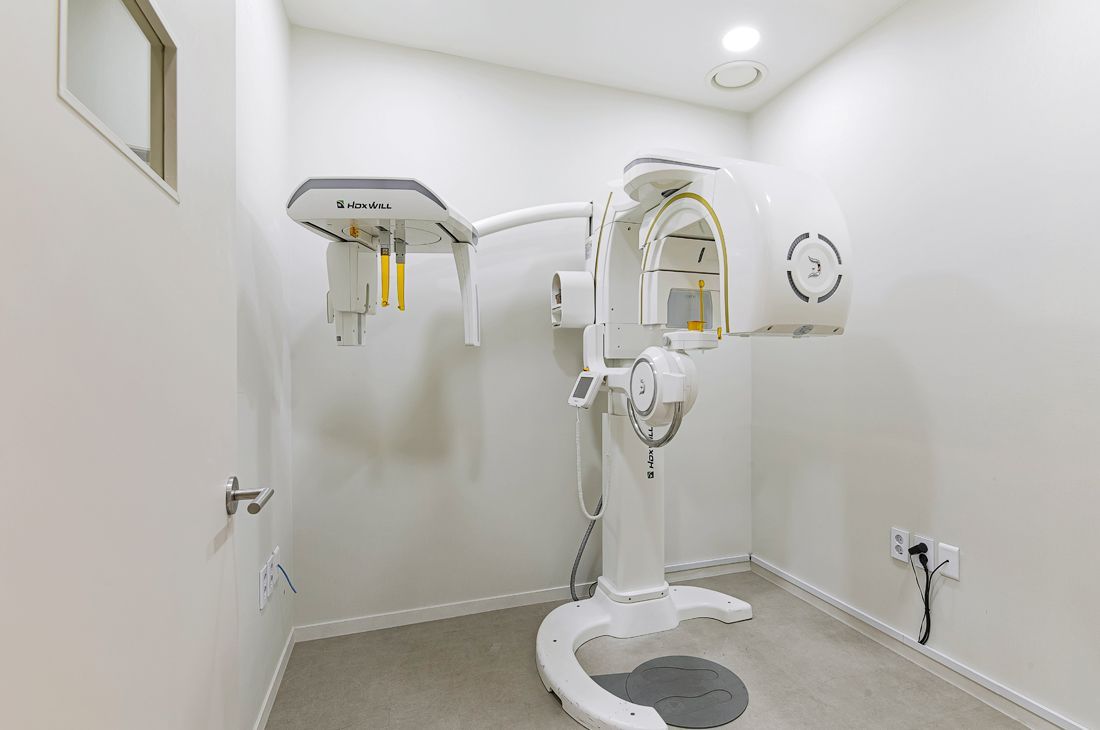
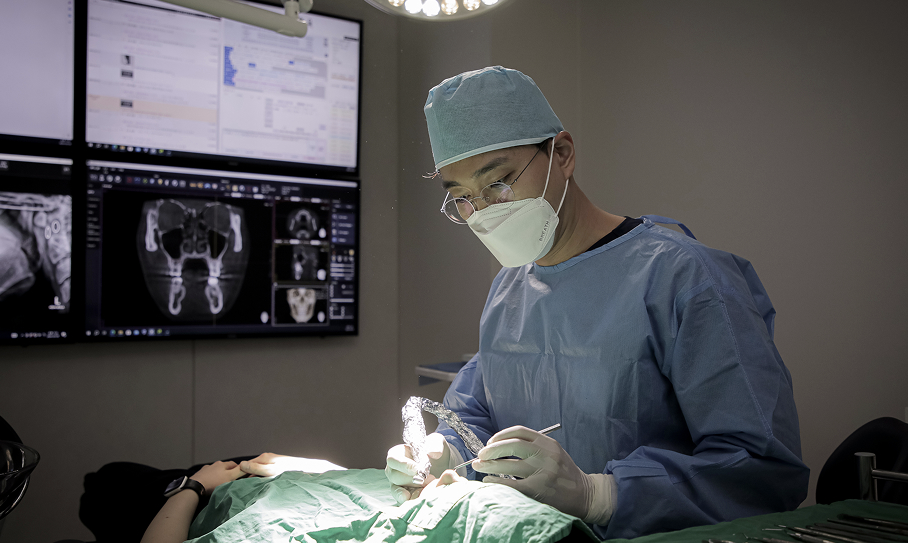
- 3D CT-based planning
- Digital guided implant surgery
- Minimally invasive approaches
These techniques improve accuracy and healing outcomes.
Implant Brand and Materials
High-quality implant systems contribute to long-term success. Commonly used brands in Korea include internationally recognized systems designed for durability and bone integration.
Oral Hygiene and Maintenance
Good daily care significantly affects implant longevity. Poor oral hygiene can lead to peri-implantitis, one of the main causes of implant failure.
Patient-Related Factors
- Smoking
- Smoking reduces blood flow and slows healing. Smokers face a higher risk of implant complications and failure.
- Chronic Health Conditions
- Conditions such as uncontrolled diabetes or immune disorders may affect healing. With proper medical coordination, many patients can still receive implants safely.
- Bite Force and Grinding
- Excessive bite pressure or teeth grinding can overload implants. Night guards are often recommended for protection.
Short-Term vs Long-Term Success
- Short-Term Success
- Refers to proper healing and implant integration during the first 3–6 months. Most failures occur early if integration does not occur.
- Long-Term Success
- Depends on maintenance, bone stability, and bite balance. Well-maintained implants can last 15–25 years or longer.
Why Implant Success Rates Are High in Korea
Korean dental clinics achieve strong outcomes due to:
- High surgical volume and experience
- Advanced digital equipment
- Standardized sterilization and safety protocols
- Efficient follow-up systems
Lower cost does not mean lower success when procedures are performed under proper standards.
Signs of a Successful Dental Implant
A healthy implant typically shows:
- No pain or mobility
- Healthy surrounding gums
- Stable bite function
- Normal chewing ability
Regular checkups help confirm ongoing success.
Final Thoughts
Dental implants offer one of the highest success rates in modern dentistry. With proper planning, skilled placement, and good aftercare, implant treatment in Korea delivers predictable, long-term results for most patients.
Understanding the key success factors allows patients to actively protect their implants and maximize longevity.