Dental Implant vs Dentures: Which Option Is Better?

January 18, 2026

Many patients missing one or more teeth in Korea often ask this fundamental question:

“Should I choose dental implants or dentures, and which option is truly better for daily life?”

The short answer is: dental implants offer superior stability, comfort, and long-term oral health, while dentures remain a more affordable and non-surgical option for some patients.

Let’s break down the differences clearly so you can understand which option fits your needs.

What Are Dental Implants?

Dental implants replace missing teeth by inserting a titanium implant into the jawbone, topped with a crown, bridge, or denture.

Key features include:

  • Fixed and non-removable structure
  • Feels and functions like natural teeth
  • Helps preserve jawbone

Implants are designed as a long-term tooth replacement solution.

What Are Dentures?

Dentures are removable prosthetic teeth that rest on the gums.

They can be:

  • Full dentures (replace all teeth)
  • Partial dentures (replace some teeth)

Dentures rely on suction, adhesives, or clasps and do not replace the tooth root.

Stability and Comfort Comparison

Dental Implants

  • Implants are firmly anchored in the jawbone, meaning no slipping, clicking, or movement when eating or speaking.

Dentures

  • Dentures may shift, especially lower dentures, causing discomfort, sore spots, or embarrassment in social situations.

For daily comfort, implants clearly outperform dentures.

Chewing Ability and Diet

Dental implants allow patients to:

  • Chew with near-natural strength
  • Enjoy hard and chewy foods confidently

Dentures often limit diet choices and reduce chewing efficiency by up to 60–70% compared to natural teeth.

Impact on Jawbone Health

Implants

  • Implants stimulate the jawbone through chewing, helping prevent bone loss and facial sagging.

Dentures

  • Dentures do not stimulate bone, leading to gradual bone resorption and changes in facial appearance over time.

Bone preservation is one of the biggest advantages of implants.

Cost Considerations

Initial Cost

  • Dentures are less expensive upfront than dental implants.

Long-Term Cost

  • Implants often become more economical over time due to fewer replacements and repairs.

Dentures may need relining, adjustment, or replacement every 5–8 years.

Maintenance and Daily Care

Dental implants:

  • Brushed and flossed like natural teeth
  • No special removal or soaking required

Dentures:

  • Must be removed daily
  • Require special cleaning solutions
  • May cause gum irritation if hygiene is poor

Many patients prefer the convenience of implants.

Who Should Choose Which Option?

Dental implants may be better if you:

  • Want a permanent solution
  • Have adequate bone or can undergo bone grafting
  • Value comfort and chewing power

Dentures may be suitable if you:

  • Prefer a non-surgical option
  • Have medical or financial limitations
  • Need a quicker, temporary solution

A professional consultation is essential for proper choice.

Final Thoughts

The decision between dental implants and dentures depends on budget, health, lifestyle, and long-term goals.

For many patients in Korea, dental implants provide unmatched stability, comfort, and confidence, while dentures remain a practical option in certain situations.
January 18, 2026
One of the most common concerns patients have about dental implants is cost: “How can I reduce implant costs without compromising safety or quality?” The good news is that it is possible to lower dental implant costs safely if you understand where savings are reasonable and where cutting corners can be risky. Here’s a practical, patient-focused guide. Understand What Actually Affects Implant Cost Dental implant pricing varies based on: Number of implants needed Bone grafting or sinus lift requirements Implant brand and materials Dentist’s expertise and clinic technology Country and clinic operating costs Knowing these factors helps you identify legitimate cost differences vs risky shortcuts. Choose Value, Not the Cheapest Option Avoid “Too Cheap” Implants Extremely low prices may indicate: Low-quality implant systems Inexperienced practitioners Minimal diagnostics or aftercare Safe cost reduction focuses on value and predictability , not the lowest possible quote. Consider Getting Treatment in Countries Like Korea Medical Tourism with Strong Standards Countries such as Korea offer: Highly experienced implant dentists Advanced technology Lower operating costs compared to Western countries This allows clinics to charge less without lowering quality , making overseas treatment a safe cost-saving option. Ask About Treatment Phasing Stage-Based Treatment Planning Some cases allow implants to be placed in stages rather than all at once. Benefits include: Spreading costs over time Allowing natural healing before additional procedures Reducing unnecessary upfront treatments A good clinic will explain whether phased treatment is appropriate. Choose Reliable, Widely Used Implant Brands Long-Term Cost Protection Well-known implant systems may cost slightly more initially but: Reduce failure risk Make future repairs easier worldwide Avoid expensive redo procedures Cheaper, unproven systems often cost more in the long run. Reduce Extra Procedures When Possible Not all patients need: Sedation Premium crowns Immediate loading Ask your dentist: Which procedures are medically necessary Which are optional upgrades This helps eliminate non-essential expenses safely. Maintain Excellent Oral Hygiene The Cheapest Implant Is the One That Doesn’t Fail Preventing complications saves money long term. Patients who: Brush and floss properly Attend regular checkups Avoid smoking Have far fewer costly implant failures or revisions. Confirm Warranty and Aftercare Policies Protection After Treatment Ask about: Implant warranties Crown replacement policies Follow-up care options Good aftercare reduces the risk of unexpected future costs. Final Thoughts Reducing dental implant cost safely is about smart planning, experienced providers, transparent pricing, and long-term thinking , not cutting corners. By choosing the right clinic, avoiding unnecessary add-ons, and maintaining good oral health, patients can achieve high-quality implant treatment at a more affordable cost—without sacrificing safety.
January 18, 2026
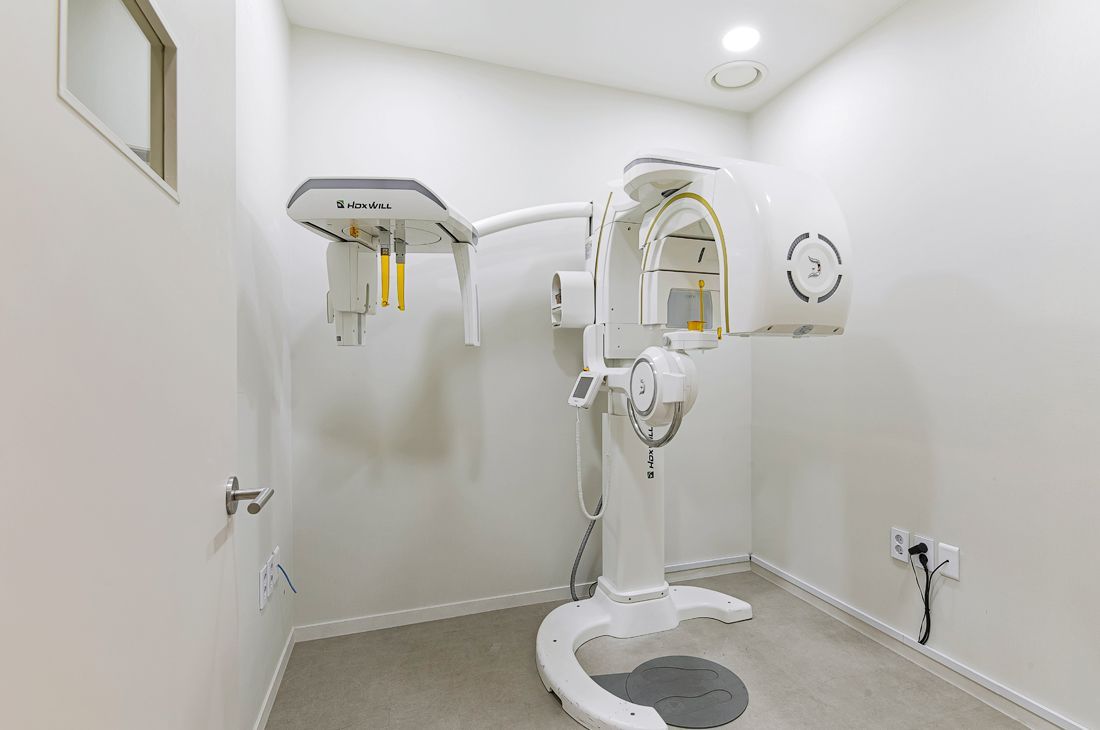
Many patients considering dental implants overseas ask a critical question before booking treatment: “How do I choose a safe and reliable implant clinic abroad?” The short answer is: the right clinic choice matters more than low price , and careful evaluation can significantly reduce risks while maximizing long-term success. Here’s a practical guide to choosing the right dental implant clinic when traveling abroad. Check the Dentist’s Experience and Specialization Implant-Focused Expertise Ask whether the dentist specializes in implant dentistry , not just general dentistry. Key points to confirm: Number of implants placed annually Experience with complex cases (bone grafts, full-arch implants) Years of clinical implant experience High-volume implant dentists typically achieve higher success rates. Verify Clinic Technology and Facilities Modern Diagnostic and Surgical Tools A reliable clinic should use: 3D CT imaging for treatment planning Digital guided implant surgery Sterile surgical rooms and modern equipment Advanced technology improves accuracy, safety, and healing outcomes . Ask About Implant Brands and Materials Internationally Trusted Systems Confirm which implant brands are used. Look for: Globally recognized brands Availability of parts worldwide Long-term clinical data Well-known systems reduce risks if future maintenance is needed in another country. Evaluate Cost Transparency Carefully Clear and Itemized Pricing Low prices can be misleading if costs are not fully disclosed. Always ask if the quote includes: Implant fixture, abutment, and crown Imaging and consultations Temporary and final prosthetics Follow-up care Transparent clinics avoid hidden or surprise fees. Understand Communication and Language Support Foreigner-Friendly Services Choose clinics that offer: Fluent English-speaking staff Written treatment plans in English Clear explanations without pressure Good communication is essential for informed consent and trust. Review Aftercare and Follow-Up Policies Post-Treatment Support Ask how the clinic handles: Post-surgery complications Healing checkups Remote consultations after you return home Strong aftercare systems reflect long-term responsibility , not just sales focus. Look for Real Patient Reviews and Case Results Before-and-After Evidence Check for: Authentic patient reviews Clinical case photos Testimonials from international patients Consistent feedback is often more reliable than marketing claims. Assess Safety and Ethical Standards Clinic Ethics and Patient Protection A reputable clinic will: Avoid rushing treatment Recommend necessary procedures only Explain risks honestly Pressure tactics or “too-good-to-be-true” pricing are red flags. Final Thoughts Choosing the right implant clinic abroad is about expertise, transparency, communication, and long-term care , not just price. For international patients, especially those traveling to countries like Korea, careful clinic selection ensures safe treatment, predictable outcomes, and real cost savings without unnecessary risk.