Titanium Dental Implants: Benefits, Safety, and Longevity

January 18, 2026

Many patients considering dental implants in Korea ask an essential question before choosing implant materials:
“Are titanium dental implants safe, and how long do they last?”

The short answer is: titanium dental implants are extremely safe, highly durable, and clinically proven, making them the most widely used implant material worldwide.

Here’s a clear breakdown of why titanium implants remain the gold standard in implant dentistry.

What Are Titanium Dental Implants?

Titanium dental implants are artificial tooth roots made from medical-grade titanium that are surgically placed into the jawbone to support crowns, bridges, or dentures.

Titanium is used because it:

  • Bonds naturally with bone
  • Resists corrosion
  • Maintains long-term structural strength

This unique bone-bonding process is known as osseointegration.

Key Benefits of Titanium Dental Implants

Titanium implants offer several major advantages:

  • Excellent bone integration
  • High long-term success rate (95%+)
  • Strong resistance to fracture
  • Suitable for most bone types
  • Extensive clinical research history

These benefits make titanium implants reliable for both single-tooth and full-mouth restorations.

Safety of Titanium Dental Implants

Biocompatibility

Titanium is highly biocompatible, meaning the body accepts it without triggering adverse immune reactions. Allergic responses are extremely rare.

Clinical Track Record

Titanium implants have been used successfully for over 50 years in dentistry and orthopedic medicine.

Use in Korean Clinics

Korean dental clinics widely use titanium implants from globally trusted brands, ensuring strict safety and sterilization standards.

Longevity: How Long Do Titanium Implants Last?

With proper care, titanium dental implants can last:

  • 15–25 years on average
  • A lifetime in many cases

Longevity depends on factors such as oral hygiene, bite force, smoking habits, and regular dental checkups.

Titanium vs Other Implant Materials

Compared to alternative materials, titanium implants offer:

  • Greater fracture resistance than zirconia
  • More flexibility under chewing pressure
  • Easier long-term maintenance

This makes titanium especially suitable for molar areas and full-arch implant cases.

Who Is a Good Candidate for Titanium Implants?

Titanium implants are recommended for:

  • Most adult patients
  • Full-mouth implant treatments
  • Patients with high bite force
  • Those prioritizing durability over translucency

They remain the default choice for complex or load-bearing cases.

Final Thoughts

Titanium dental implants combine proven safety, exceptional strength, and long-term reliability. Backed by decades of clinical data, they remain the most trusted implant option in Korea and worldwide.

For patients seeking a dependable, long-lasting implant solution, titanium implants continue to set the standard.
January 18, 2026
One of the most common concerns patients have about dental implants is cost: “How can I reduce implant costs without compromising safety or quality?” The good news is that it is possible to lower dental implant costs safely if you understand where savings are reasonable and where cutting corners can be risky. Here’s a practical, patient-focused guide. Understand What Actually Affects Implant Cost Dental implant pricing varies based on: Number of implants needed Bone grafting or sinus lift requirements Implant brand and materials Dentist’s expertise and clinic technology Country and clinic operating costs Knowing these factors helps you identify legitimate cost differences vs risky shortcuts. Choose Value, Not the Cheapest Option Avoid “Too Cheap” Implants Extremely low prices may indicate: Low-quality implant systems Inexperienced practitioners Minimal diagnostics or aftercare Safe cost reduction focuses on value and predictability , not the lowest possible quote. Consider Getting Treatment in Countries Like Korea Medical Tourism with Strong Standards Countries such as Korea offer: Highly experienced implant dentists Advanced technology Lower operating costs compared to Western countries This allows clinics to charge less without lowering quality , making overseas treatment a safe cost-saving option. Ask About Treatment Phasing Stage-Based Treatment Planning Some cases allow implants to be placed in stages rather than all at once. Benefits include: Spreading costs over time Allowing natural healing before additional procedures Reducing unnecessary upfront treatments A good clinic will explain whether phased treatment is appropriate. Choose Reliable, Widely Used Implant Brands Long-Term Cost Protection Well-known implant systems may cost slightly more initially but: Reduce failure risk Make future repairs easier worldwide Avoid expensive redo procedures Cheaper, unproven systems often cost more in the long run. Reduce Extra Procedures When Possible Not all patients need: Sedation Premium crowns Immediate loading Ask your dentist: Which procedures are medically necessary Which are optional upgrades This helps eliminate non-essential expenses safely. Maintain Excellent Oral Hygiene The Cheapest Implant Is the One That Doesn’t Fail Preventing complications saves money long term. Patients who: Brush and floss properly Attend regular checkups Avoid smoking Have far fewer costly implant failures or revisions. Confirm Warranty and Aftercare Policies Protection After Treatment Ask about: Implant warranties Crown replacement policies Follow-up care options Good aftercare reduces the risk of unexpected future costs. Final Thoughts Reducing dental implant cost safely is about smart planning, experienced providers, transparent pricing, and long-term thinking , not cutting corners. By choosing the right clinic, avoiding unnecessary add-ons, and maintaining good oral health, patients can achieve high-quality implant treatment at a more affordable cost—without sacrificing safety.
January 18, 2026
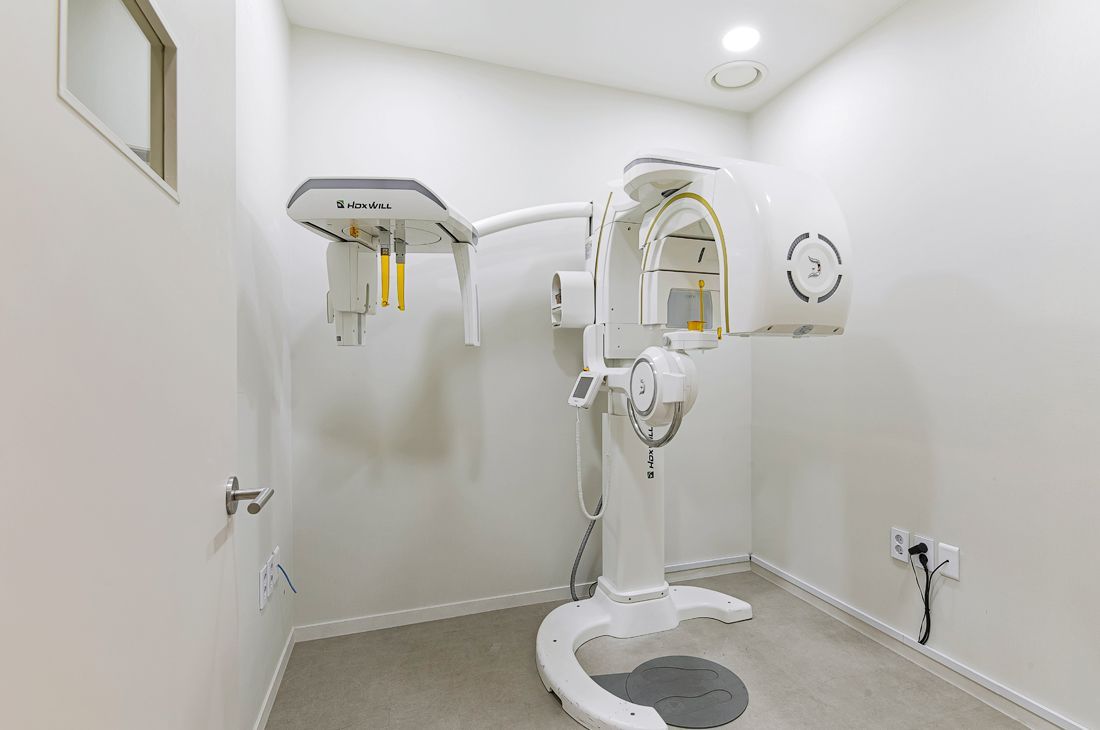
Many patients considering dental implants overseas ask a critical question before booking treatment: “How do I choose a safe and reliable implant clinic abroad?” The short answer is: the right clinic choice matters more than low price , and careful evaluation can significantly reduce risks while maximizing long-term success. Here’s a practical guide to choosing the right dental implant clinic when traveling abroad. Check the Dentist’s Experience and Specialization Implant-Focused Expertise Ask whether the dentist specializes in implant dentistry , not just general dentistry. Key points to confirm: Number of implants placed annually Experience with complex cases (bone grafts, full-arch implants) Years of clinical implant experience High-volume implant dentists typically achieve higher success rates. Verify Clinic Technology and Facilities Modern Diagnostic and Surgical Tools A reliable clinic should use: 3D CT imaging for treatment planning Digital guided implant surgery Sterile surgical rooms and modern equipment Advanced technology improves accuracy, safety, and healing outcomes . Ask About Implant Brands and Materials Internationally Trusted Systems Confirm which implant brands are used. Look for: Globally recognized brands Availability of parts worldwide Long-term clinical data Well-known systems reduce risks if future maintenance is needed in another country. Evaluate Cost Transparency Carefully Clear and Itemized Pricing Low prices can be misleading if costs are not fully disclosed. Always ask if the quote includes: Implant fixture, abutment, and crown Imaging and consultations Temporary and final prosthetics Follow-up care Transparent clinics avoid hidden or surprise fees. Understand Communication and Language Support Foreigner-Friendly Services Choose clinics that offer: Fluent English-speaking staff Written treatment plans in English Clear explanations without pressure Good communication is essential for informed consent and trust. Review Aftercare and Follow-Up Policies Post-Treatment Support Ask how the clinic handles: Post-surgery complications Healing checkups Remote consultations after you return home Strong aftercare systems reflect long-term responsibility , not just sales focus. Look for Real Patient Reviews and Case Results Before-and-After Evidence Check for: Authentic patient reviews Clinical case photos Testimonials from international patients Consistent feedback is often more reliable than marketing claims. Assess Safety and Ethical Standards Clinic Ethics and Patient Protection A reputable clinic will: Avoid rushing treatment Recommend necessary procedures only Explain risks honestly Pressure tactics or “too-good-to-be-true” pricing are red flags. Final Thoughts Choosing the right implant clinic abroad is about expertise, transparency, communication, and long-term care , not just price. For international patients, especially those traveling to countries like Korea, careful clinic selection ensures safe treatment, predictable outcomes, and real cost savings without unnecessary risk.