What Makes Korean Dental Implants Different From Other Countries
Dental implants are performed worldwide, but implants done in Seoul, South Korea are often considered distinct—both by international patients and dental professionals. The difference is not just price, but a combination of technology, training, clinical volume, and treatment philosophy.
Here’s what truly sets Korean dental implants apart from those in other countries.
1. Extremely High Clinical Volume = Advanced Skill
Korea performs a very high number of dental implant procedures every year.
Why this matters:
- Dentists gain extensive hands-on experience
- Complex cases are treated routinely, not occasionally
- Complication management is highly refined
In many countries, implants are a specialty-only procedure. In Korea, they are standardized, high-frequency treatments, especially in major cities like Seoul.
2. Advanced Digital & Guided Implant Technology
Korean clinics widely use:
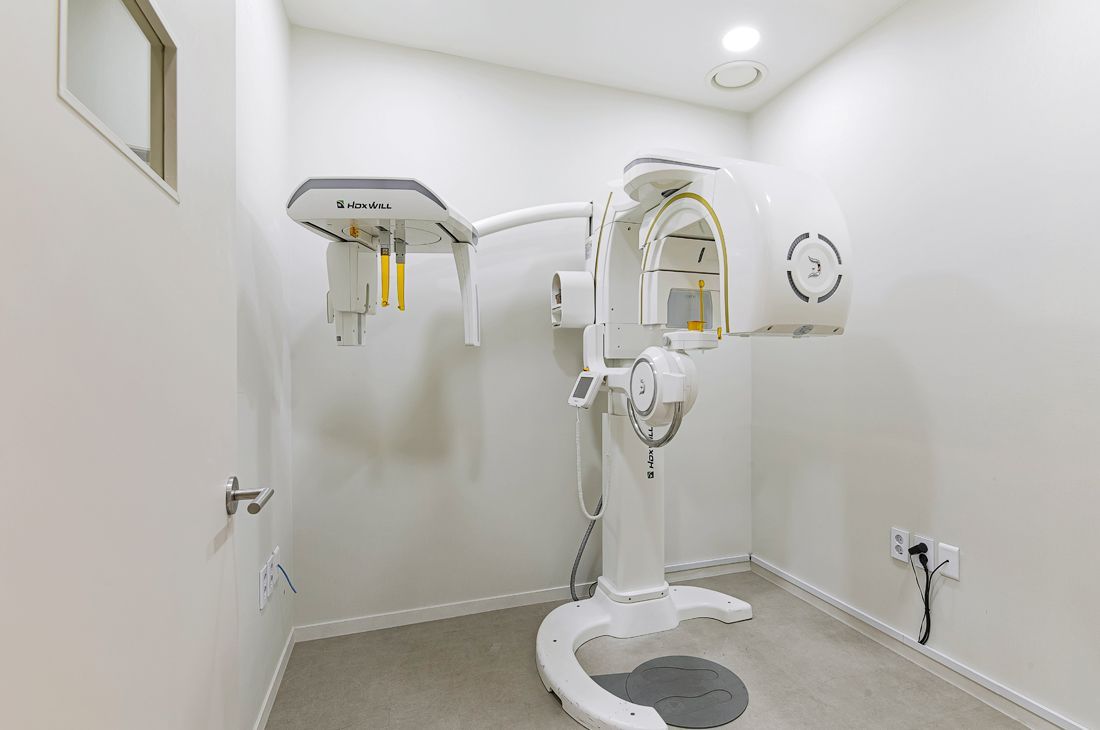
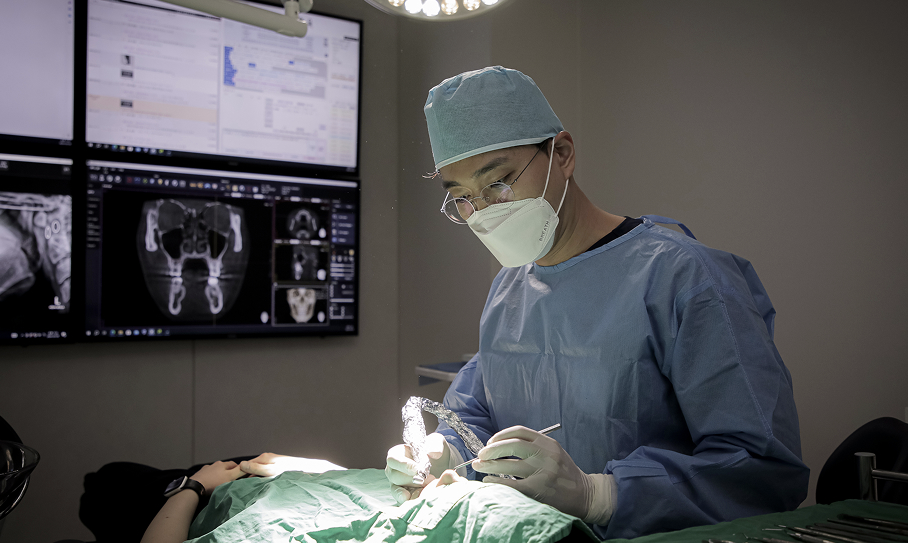
- 3D CBCT scans
- Digital intraoral scanners
- Computer-guided implant placement
- CAD/CAM abutments and crowns
This allows:
- More accurate implant positioning
- Reduced surgery time
- Less invasive procedures
- Faster healing
Some countries still rely heavily on manual placement, while digital-guided implants are standard in Korea.
3. Conservative Bone Preservation Philosophy
Korean implant dentistry focuses on:
- Preserving natural bone as much as possible
- Avoiding unnecessary aggressive bone grafting
- Precise angulation to maximize existing bone
This results in:
- Less trauma
- Faster recovery
- Lower complication rates
Rather than “adding bone first,” Korean dentists often optimize what already exists.
4. Integrated Surgical + Prosthetic Planning
In Korea, implant surgery and crown design are planned together from the beginning.
This includes:
- Bite analysis before surgery
- Final crown shape planned before implant placement
- Custom abutment design
In some countries, surgery and prosthetics are handled separately, which can cause alignment or bite issues later.
5. Strong Domestic Implant Systems + Global Brands
Korea is home to globally recognized implant manufacturers.
This means:
- High-quality implant systems are locally available
- Faster access to parts and replacements
- Lower material costs without compromising safety
Many clinics also offer European or Swiss implant brands, but Korean systems are widely trusted worldwide.
6. Faster Treatment Timelines
Compared to many countries:
- Consultations are faster
- Imaging is often done same day
- Surgery scheduling is flexible
For suitable cases:
- Immediate implants
- Same-day temporary crowns
- Shorter overall treatment duration
This is especially attractive for international patients with limited time.
7. Competitive Pricing Without Cutting Corners
Korean implant costs are typically:
- Significantly lower than the U.S., UK, or Australia
- Transparent and itemized
- Less inflated by insurance-driven pricing
Lower costs are driven by:
- Efficient systems
- High patient volume
- Local manufacturing
- Streamlined workflows
This is cost efficiency, not low quality.
8. Strong Emphasis on Aftercare & Follow-Up
Post-implant care in Korea is taken seriously:
- Scheduled follow-ups are standard
- Bite checks and adjustments are common
- Long-term monitoring is encouraged
Clinics often provide clear maintenance instructions, even for short-term visitors.
9. Conservative Approach for Foreign Patients
For international patients, Korean dentists often:
- Avoid overly aggressive treatments
- Recommend staged procedures when safer
- Focus on long-term stability over speed
This reduces the risk of complications once patients return home.
10. Cultural Emphasis on Function Over Flash
Unlike some countries that market implants as a cosmetic product, Korean dentistry emphasizes:
- Bite balance
- Chewing efficiency
- Jaw health
- Longevity
A natural, functional result is prioritized over visible aesthetics alone.
How Korea Compares to Other Countries (Summary)
- Versus U.S./Europe: Lower cost, faster timelines, higher procedure volume
- Versus Southeast Asia: More conservative planning, advanced diagnostics
- Versus Japan: Faster scheduling, broader implant options
Final Thoughts
What makes Korean dental implants different is not one single factor—but the combination of experience, technology, efficiency, and conservative philosophy. High-volume expertise paired with advanced digital planning allows Korean clinics to deliver precise, reliable, and long-lasting implant results at competitive prices.
For patients who value long-term function, predictable outcomes, and modern care, Korea has become one of the world’s most respected destinations for dental implant treatment.