January 18, 2026
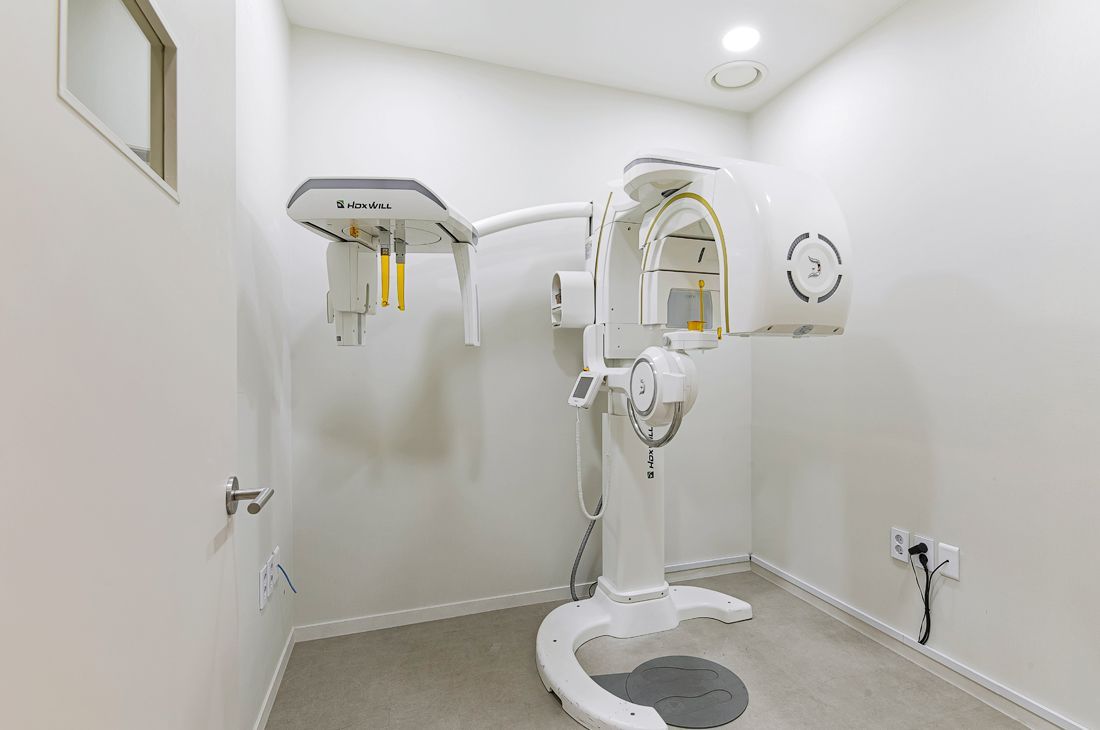
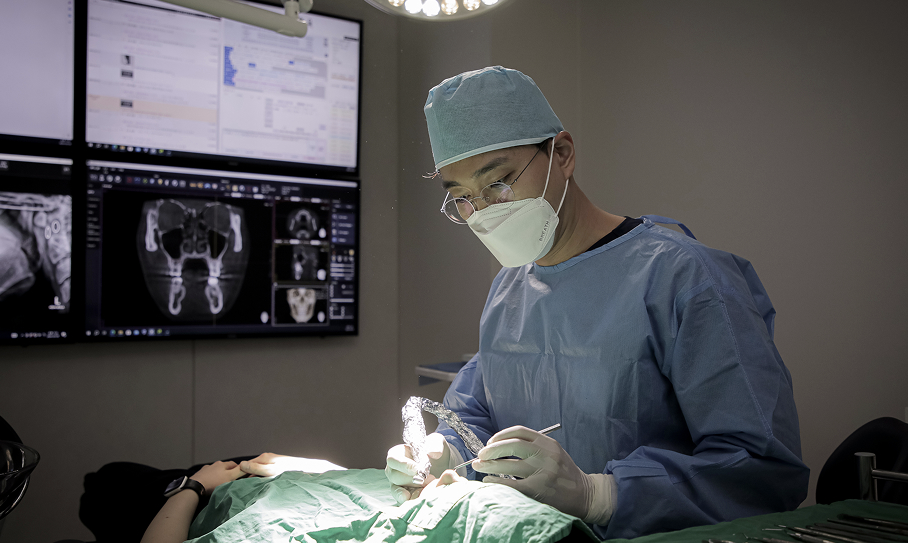
Many patients considering dental implants overseas ask a critical question before booking treatment: “How do I choose a safe and reliable implant clinic abroad?” The short answer is: the right clinic choice matters more than low price , and careful evaluation can significantly reduce risks while maximizing long-term success. Here’s a practical guide to choosing the right dental implant clinic when traveling abroad. Check the Dentist’s Experience and Specialization Implant-Focused Expertise Ask whether the dentist specializes in implant dentistry , not just general dentistry. Key points to confirm: Number of implants placed annually Experience with complex cases (bone grafts, full-arch implants) Years of clinical implant experience High-volume implant dentists typically achieve higher success rates. Verify Clinic Technology and Facilities Modern Diagnostic and Surgical Tools A reliable clinic should use: 3D CT imaging for treatment planning Digital guided implant surgery Sterile surgical rooms and modern equipment Advanced technology improves accuracy, safety, and healing outcomes . Ask About Implant Brands and Materials Internationally Trusted Systems Confirm which implant brands are used. Look for: Globally recognized brands Availability of parts worldwide Long-term clinical data Well-known systems reduce risks if future maintenance is needed in another country. Evaluate Cost Transparency Carefully Clear and Itemized Pricing Low prices can be misleading if costs are not fully disclosed. Always ask if the quote includes: Implant fixture, abutment, and crown Imaging and consultations Temporary and final prosthetics Follow-up care Transparent clinics avoid hidden or surprise fees. Understand Communication and Language Support Foreigner-Friendly Services Choose clinics that offer: Fluent English-speaking staff Written treatment plans in English Clear explanations without pressure Good communication is essential for informed consent and trust. Review Aftercare and Follow-Up Policies Post-Treatment Support Ask how the clinic handles: Post-surgery complications Healing checkups Remote consultations after you return home Strong aftercare systems reflect long-term responsibility , not just sales focus. Look for Real Patient Reviews and Case Results Before-and-After Evidence Check for: Authentic patient reviews Clinical case photos Testimonials from international patients Consistent feedback is often more reliable than marketing claims. Assess Safety and Ethical Standards Clinic Ethics and Patient Protection A reputable clinic will: Avoid rushing treatment Recommend necessary procedures only Explain risks honestly Pressure tactics or “too-good-to-be-true” pricing are red flags. Final Thoughts Choosing the right implant clinic abroad is about expertise, transparency, communication, and long-term care , not just price. For international patients, especially those traveling to countries like Korea, careful clinic selection ensures safe treatment, predictable outcomes, and real cost savings without unnecessary risk.