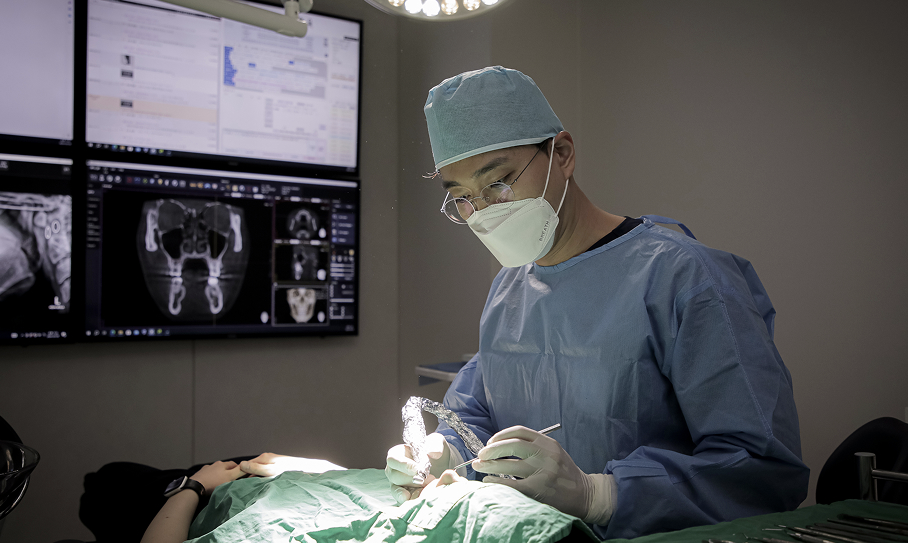
How Many Visits Are Needed for Dental Implants?

January 15, 2026

Many patients considering dental implants ask:

“How many times do I need to visit the dentist to complete implant treatment?”

The short answer is: most dental implant treatments require 2 to 4 visits, depending on your case complexity, healing time, and whether additional procedures like bone grafting are needed.

Here’s how those visits are typically spaced out.

Typical Number of Visits for Dental Implants

A standard implant case usually includes:

  • Initial consultation & 3D CT scan
  • Implant placement surgery
  • Abutment placement
  • Final crown delivery

Each of these steps usually requires a separate visit.

Visit Breakdown

  • Visit 1: Consultation & planning
    Includes examination, CT scan, and treatment plan. Some clinics may also take impressions at this time.
  • Visit 2: Implant placement
    The implant fixture is surgically placed into the jawbone. This visit usually takes 1–2 hours.
  • Visit 3: Abutment placement
    After healing, the abutment is attached to the implant. This is a short visit.
  • Visit 4: Crown placement
    The final tooth is placed and adjusted for bite and comfort.

When More Visits Are Needed

You may need additional visits if:

  • Bone grafting is required
  • A sinus lift is needed
  • You are receiving multiple implants
  • Temporary teeth are placed or adjusted

These procedures add steps to ensure proper healing and long-term success.

When Fewer Visits Are Possible

Some patients qualify for:

  • Same-day implants
  • Immediate temporary crowns

In these cases, implants and temporary teeth may be placed in one visit, reducing the total number of trips.

Why the Number of Visits Matters

Spacing visits properly allows:

  • Bone and gum healing
  • Stable implant integration
  • Accurate crown fitting

Skipping steps or rushing visits can increase the risk of implant failure.

Final Thoughts

Most dental implant patients should plan for 2 to 4 visits over several months. While it requires patience, this staged approach ensures a strong, long-lasting, and natural-looking result.

Your dentist will tailor the visit schedule based on your individual oral health and treatment plan.
January 15, 2026
Many patients preparing for dental implants ask: “When can I go back to eating normal food after implant surgery?” The short answer is: you can start eating soft foods within a day, but fully normal eating usually returns after several weeks once healing progresses. Following the right food timeline protects your implant and speeds recovery. Here’s what to expect. First 24–48 Hours Immediately after surgery, stick to: Cold or lukewarm liquids Smooth soups Yogurt and smoothies Mashed foods Avoid hot, spicy, crunchy, or chewy foods that can disturb the surgical site. Days 3–7: Soft Food Phase As swelling and soreness decrease, you can add: Scrambled eggs Soft rice or noodles Fish Tofu Steamed vegetables Chew on the opposite side of your mouth whenever possible. Weeks 2–4: Gradual Return to Normal Most patients can slowly reintroduce: Soft meat Bread Pasta Cooked vegetables You should still avoid very hard or sticky foods during this phase. After Full Healing Once the implant has bonded to the bone and the final crown is placed: You can eat normally You can bite and chew confidently Your implant functions like a natural tooth This usually happens after 2–6 months , depending on your case. Foods to Avoid During Healing To protect your implant, avoid: Nuts and seeds Hard candy Ice Chewing gum Crunchy snacks Very hot foods These can disturb healing or damage temporary crowns. Final Thoughts Eating normally after implant surgery is a gradual process , but most patients return to comfortable chewing within a few weeks. By following food guidelines, you help your implant heal properly and enjoy a strong, long-lasting result.
January 15, 2026
Many patients planning dental implants ask: “How long does it take to recover after dental implant surgery?” The short answer is: initial recovery takes a few days, but full healing and implant integration take several months. Knowing what happens at each stage helps patients plan work, travel, and daily life with confidence. Here’s a clear look at what recovery really looks like. First 24–48 Hours After Surgery Right after implant placement, most patients experience: Mild to moderate swelling Minor bleeding or oozing Soreness or pressure in the jaw Temporary numbness from anesthesia During this time, rest, cold compresses, and prescribed medication are important. Days 3–7: Early Healing As the first week progresses: Swelling begins to go down Pain decreases significantly Gums start to close over the implant site Normal activities can gradually resume Soft foods and gentle oral hygiene are recommended. Weeks 2–4: Gum Healing Phase During this stage: The gum tissue becomes stronger Stitches (if any) are removed Tenderness continues to fade The implant becomes more stable Most patients feel close to normal by the end of this period. Months 2–6: Bone Integration This is the most important phase: The implant fuses with the jawbone (osseointegration) The foundation for the final tooth becomes strong You can use the area carefully, but avoid heavy biting This step ensures long-term implant success. Final Restoration Stage Once the implant is fully integrated: The abutment is placed A custom crown is attached Bite and comfort are adjusted You can now use your implant just like a natural tooth. What Can Delay Healing Recovery may take longer if you: Smoke Have diabetes or gum disease Need bone grafting or sinus lift surgery Do not follow aftercare instructions Proper care speeds up healing and reduces complications. Final Thoughts Dental implant recovery is a gradual, predictable process. While the first few days involve mild discomfort, the long-term result is a strong, permanent tooth replacement. With proper care and patience, most patients enjoy excellent results that last for many years.