How Long Does Dental Implant Treatment Take?
Many patients planning dental implants ask one important question:
“How long does the entire dental implant process take from start to finish?”
The short answer is: dental implant treatment usually takes several months, but the exact timeline depends on your bone condition, the type of implant, and whether additional procedures like bone grafting are needed.
Here’s a clear breakdown of what to expect.
Typical Dental Implant Treatment Timeline
Most implant treatments follow these stages:
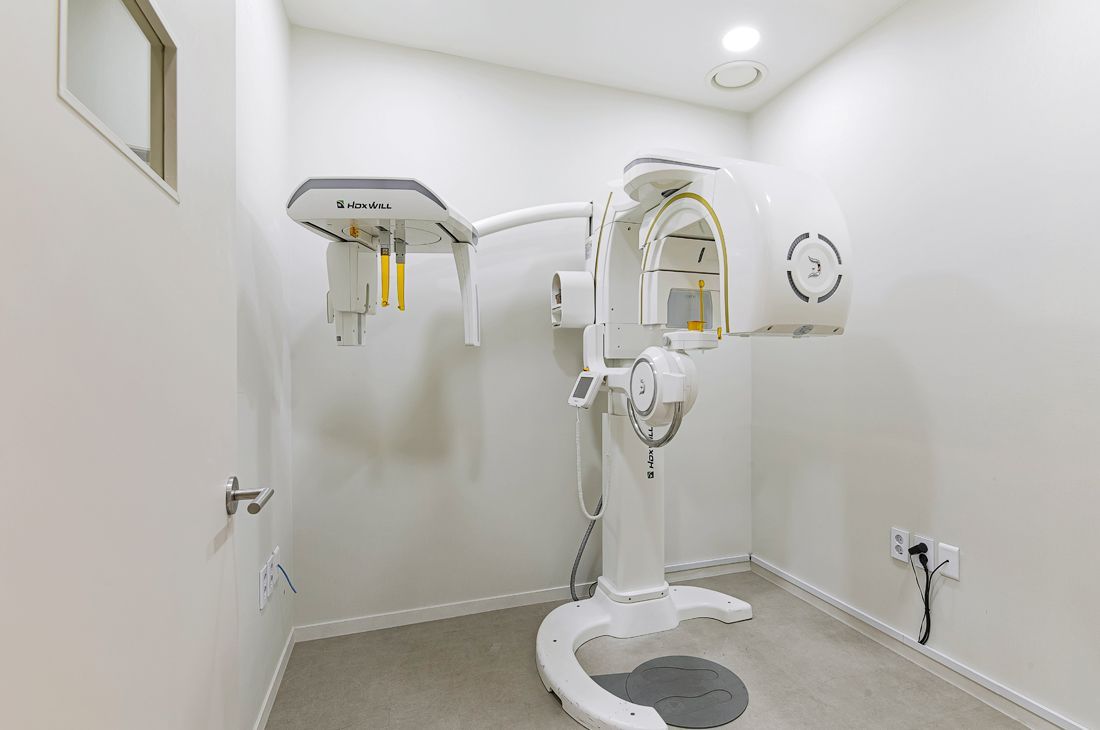
- Initial consultation & 3D CT scan
- Implant placement surgery
- Healing and bone integration (osseointegration)
- Abutment placement
- Final crown attachment
Each stage plays a critical role in long-term success.
How Long Each Stage Takes
- Consultation & planning:
Usually 1–2 days, including X-rays or CT scans and treatment planning. - Implant placement surgery:
Typically completed in 1 day per area. - Healing period (osseointegration):
About 2–6 months, allowing the implant to fuse with the jawbone. - Abutment placement:
A minor procedure taking 30–60 minutes, followed by about 1–2 weeks of gum healing. - Final crown placement:
Usually done within 1–2 weeks after the abutment stage.
When Treatment Can Be Faster
Some patients qualify for same-day or immediate-load implants, which allow:
- Implant placement and temporary teeth in one visit
- Faster cosmetic results
- Shorter total treatment time
However, this is only suitable when bone quality is strong and infection-free.
When Treatment Takes Longer
The process may be extended if you need:
- Bone grafting (adds 3–6 months)
- Sinus lift surgery (adds 4–6 months)
- Gum disease treatment before implant placement
These procedures are essential for long-term implant stability.
Total Time You Should Expect
For most patients:
- Simple cases: about 3–5 months
- With bone grafting: about 6–9 months
- Full-mouth or complex cases: 6–12 months
While this may feel long, the result is a strong, permanent tooth replacement designed to last decades.
Why Waiting Is Important
Implants need time to properly integrate with bone. Rushing this step increases the risk of:
- Implant failure
- Infection
- Loose or unstable crowns
A carefully timed process leads to a much higher success rate.
Final Thoughts
Dental implant treatment is not instant, but the time investment ensures strength, comfort, and long-term reliability.
With proper planning, most patients can enjoy fully functional, natural-looking teeth that last for many years — making the wait well worth it.