Asia vs Europe Dental Implant Cost Comparison
Many patients considering dental implants ask:
“How do dental implant costs in Asia compare with those in Europe?”
The short answer is: dental implant prices in several Asian countries are generally lower than in most European countries, while both regions offer high-quality care, advanced technology, and experienced clinicians. Understanding these cost differences — and what’s included — helps patients make informed treatment decisions.
Here’s a clear comparison of dental implant pricing, quality considerations, and value between Asia and Europe.
Average Dental Implant Costs in Asia vs Europe
Typical price ranges for a single complete dental implant (fixture + abutment + crown) are:
- Asia:
- Korea: $900 – $1,900 (approx. ₩1,200,000 – ₩2,500,000)
- Thailand: $900 – $1,800 (approx. ฿30,000 – ฿60,000)
- India: $800 – $1,400
- Turkey: $800 – $1,700
- Europe:
- United Kingdom: €2,000 – €3,500 (~USD $2,200 – $3,900)
- Germany: €1,800 – €3,000 (~USD $2,000 – $3,300)
- France: €1,800 – €3,000 (~USD $2,000 – $3,300)
- Poland: €1,000 – €1,800 (~USD $1,100 – $2,000)
On average, Asian implant pricing tends to be 30–60% lower than in Western and some Northern European countries, with Eastern Europe (e.g., Poland) offering intermediate pricing.
What Implant Pricing Usually Includes
In both regions, standard implant pricing typically covers:
- Implant fixture placement
- Abutment
- Final crown
- Local anesthesia
- Basic follow-up care
Additional procedures and imaging may be priced separately:
- Bone grafting
- Sinus lift surgery
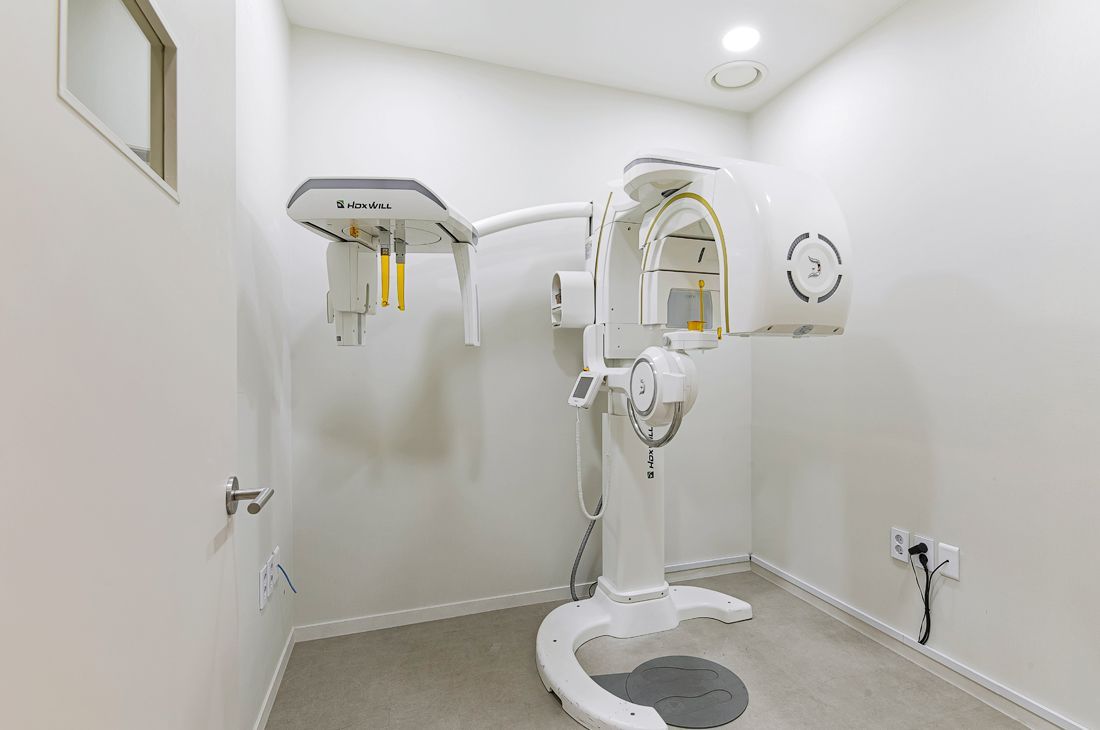
- CT scans / 3D imaging
- Temporary crowns
Always confirm what is included vs excluded in any price quote.
Quality of Materials & Technology
Both Asia and Europe use globally recognized implant systems, such as:
- Straumann
- Nobel Biocare
- Osstem
- Dentium
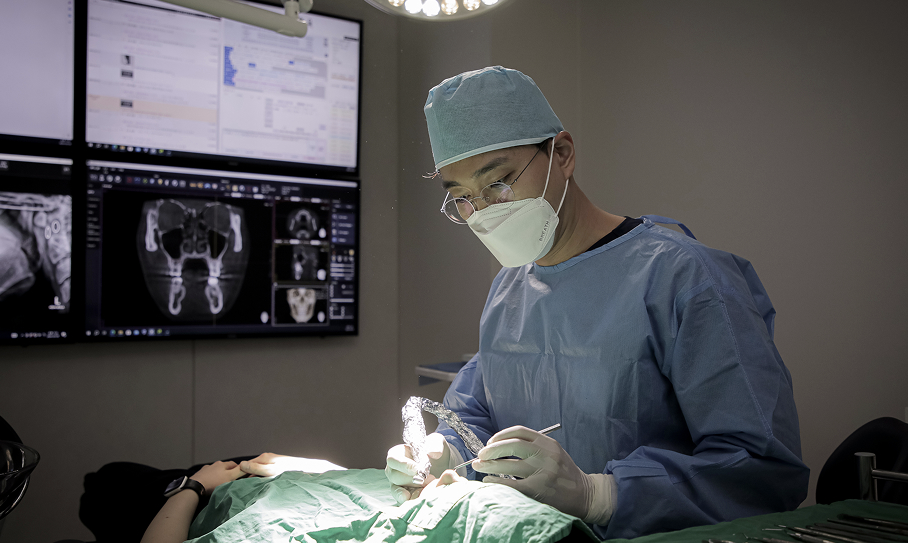
Advanced imaging (CT scans), digital planning, and guided surgery are widely available in major clinics in both regions.
Quality standards are high in both Asia and Europe, but consistency can vary by specific clinic and location.
Clinical Expertise & Training
Asia
- Large implant case volume in major cities (e.g., Seoul, Bangkok)
- Many clinicians trained internationally
- Efficient digital workflows and in-house labs
Europe
- Strong academic dental training programs
- Well-regulated clinical standards across the EU
- Wide availability of specialists (oral surgeons, periodontists)
Both regions have high-level clinical expertise, but the distribution of advanced technology and specialization can vary by city and country.
Foreign Patient & Travel Considerations
Asia
- Many clinics offer medical tourism support
- English-speaking coordinators
- Comprehensive bundled pricing
- Remote follow-up support
Europe
- Easier travel within the EU for residents
- Local follow-up generally available without travel
- Language support varies by country
Travel and aftercare logistics differ depending on your home country and chosen destination.
Total Cost Factors Beyond Price per Implant
When comparing Asia vs Europe, consider:
- Travel and accommodation
- Number of required visits
- Currency exchange and banking fees
- Aftercare and follow-up plans
- Total treatment plan transparency
Asia often offers lower overall cost even after travel expenses, especially for patients from high-cost countries.
Final Thoughts
Dental implant costs in Asia are generally more affordable than in most European countries, while both regions provide high-quality clinical care. Eastern European countries like Poland may offer competitive pricing closer to Asian rates.
Choosing the best destination depends on your priorities — whether that’s cost savings, ease of follow-up, or convenience. With transparent pricing and reputable clinics, both Asia and Europe can be excellent options for dental implant treatment.