Medical Tourism Dental Implant Cost Planning Guide
Many patients considering dental implants abroad ask:
“How do I plan for the total cost of getting implants as a medical tourist?”
The short answer is: medical tourism can make dental implants more affordable overall, but it requires careful planning to include travel, treatment, aftercare, and unexpected expenses. A clear cost plan helps patients budget wisely and avoid nasty surprises.
Here’s a practical guide to planning the full cost of dental implant treatment when traveling abroad.
Estimate the Core Implant Treatment Cost
Start by understanding the base price of the implant procedure itself in your destination country:
- Korea: $900 – $1,900 per implant
- Thailand: $900 – $1,800 per implant
- Mexico: $800 – $1,500 per implant
- Turkey: $800 – $1,700 per implant
- Poland: $1,000 – $2,000 per implant
These figures usually cover the implant fixture, abutment, and crown, but always check what is included and what’s extra.
Include Pre-Treatment Diagnostic Costs
Before surgery, most clinics require:
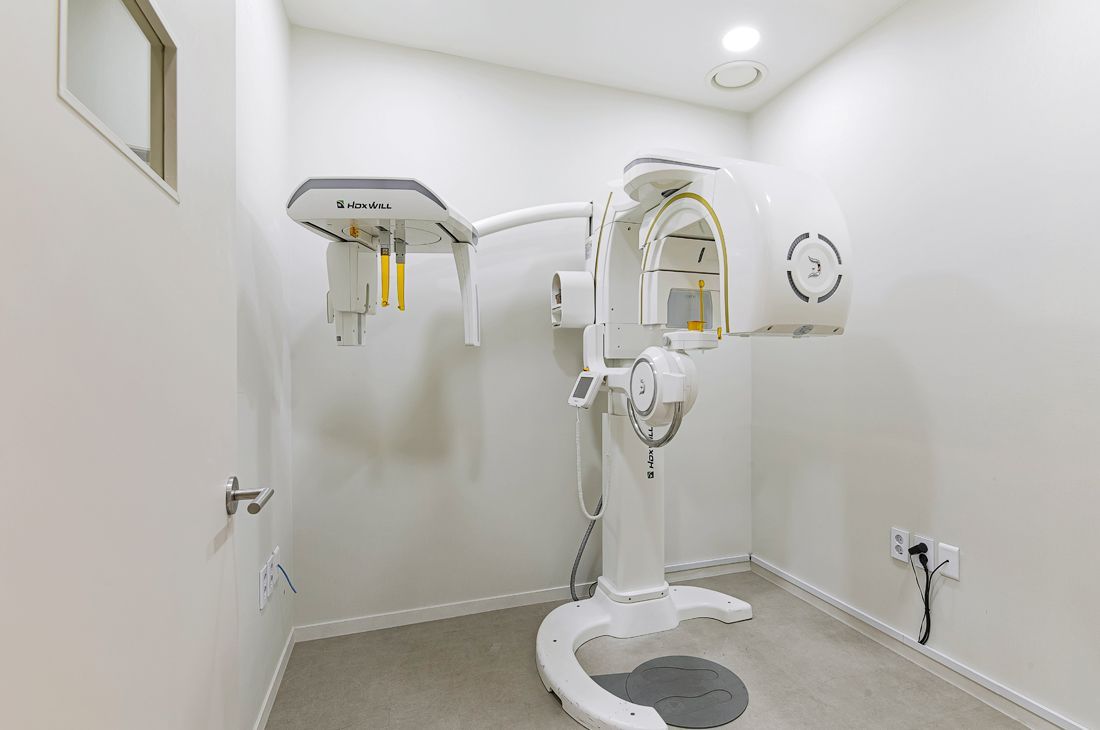
- 3D CT scans
- Digital bite analysis
- Initial consultation
In many countries these may be separate from the base implant price, so factor them into your budget.
Add Travel and Accommodation Expenses
Medical tourism involves travel, so include:
- Round-trip airfare
- Hotel or guesthouse stays
- Local transport to clinic appointments
- Meals and incidental costs
Plan for multiple visits if needed (consultation, surgery, crown delivery), and budget accordingly.
Plan for Additional Procedures
Many patients require extra treatments:
- Bone grafting
- Sinus lift surgery
- Gum disease treatment
- Temporary teeth placement
These are often not included in basic implant pricing and can add hundreds to thousands of dollars.
Factor in Aftercare and Follow-Up
After returning home, you may need:
- Routine checkups
- Crown adjustments
- Bite refinements
- Emergency visits
Budget for local dental visits as part of long-term implant care.
Insurance and Financing Options
Check whether your insurance covers:
- Travel costs (sometimes partially)
- Implant-related complications
- Follow-up procedures
Some clinics offer payment plans or financing, which can help with upfront costs.
Currency Fluctuations and Exchange Rates
If paying abroad, be aware of:
- Currency conversion fees
- Exchange rate risks
- International bank charges
These can affect the final amount you pay in your home currency.
Contingency Budget for Unexpected Costs
Always set aside an extra 10–20% of your total estimated budget for unexpected expenses such as:
- Additional surgery
- Extended travel stay
- Complication management
- Lost treatment items
Being financially prepared reduces stress during treatment.
Final Thoughts
Planning dental implant treatment abroad requires more than comparing base prices. A thoughtful cost plan includes treatment, travel, additional procedures, aftercare, and a safety buffer.
With the right planning, medical tourism can provide high-quality dental implant care at a fraction of the cost you might pay at home — without sacrificing safety or results.