Implant Abutment Types Used in Korea
In dental implant treatment, the abutment plays an essential role — it connects the implant (the part in the bone) to the crown (the visible tooth). In Seoul, Korea, clinics use a variety of abutment types based on aesthetic needs, bite dynamics, and implant positioning.
Here’s a clear, clinician-oriented overview of the main implant abutment types used in Korea, what they’re for, and how they differ.
1. Stock (Standard) Abutments
What They Are
Pre-manufactured components that come in standardized sizes and shapes.
When They’re Used
- Routine implant cases
- When implant alignment is favorable
- Budget-conscious treatments
Pros
- Lower cost
- Readily available
- Shorter treatment time
Cons
- Limited customization
- May not perfectly match individual soft tissue contours
Best For: Straightforward single-tooth implants where aesthetics are less critical.
2. Custom Abutments (CAD/CAM)
What They Are
Patient-specific abutments designed using digital scans and CAD/CAM software.
Why Clinics Use Them in Korea
Korean dental clinics commonly use custom abutments to:
- Tailor emergence profiles
- Optimize soft tissue support
- Improve aesthetic outcomes
- Correct minor implant angulation
Pros
- Precise soft-tissue shaping
- Better cosmetic results
- Optimal fit
Cons
- Higher cost
- Requires digital design and fabrication
Best For: Front teeth, high aesthetic demands, or when individual soft tissue needs vary.
3. Angled Abutments
What They Are
Abutments that can correct implant angulation (e.g., 15°, 25°, 30°).
Why They’re Used
- Implant cannot be placed perfectly vertical due to bone limitations
- To align the final restoration with adjacent teeth
Pros
- Allows better prosthetic alignment
- Avoids forced implant placement
Cons
- Slightly higher cost
- Requires careful planning
Best For: Complex cases where bone anatomy forces tilted implant placement.
4. Multi-Unit Abutments (for Full Arch / Screw-Retained Prostheses)
What They Are
Abutments designed for multiple implant systems in full-arch implant work.
Why They’re Used
- Connect several implants to one prosthesis
- Improve load distribution
- Often used in All-on-4 / All-on-6 solutions
Pros
- Simplifies full arch prosthetic connection
- Strong, stable foundation
Cons
- Higher complexity
- Not always needed for single crowns
Best For: Full-arch restorations and implant-supported bridges.
5. Titanium Abutments
What They Are
Abutments made from strong titanium — the same biocompatible metal as many implant fixtures.
Advantages
- Excellent strength
- Good tissue compatibility
- Long-term durability
Disadvantages
- May show grayish color if gum is thin
Best For: Posterior (back) teeth or situations where strength is a priority.
6. Zirconia (Ceramic) Abutments
What They Are
White, ceramic abutments often made from zirconia or a titanium core with zirconia outer layer.
Why They’re Popular in Korea
- Superior aesthetics under thin gums
- No gray metal show-through
- Natural gingival appearance
Pros
- Excellent cosmetic results
- Strong and biocompatible
Cons
- Higher cost than standard titanium abutments
- Slightly more brittle (clinician must plan carefully)
Best For: Anterior (front) teeth and high-aesthetic cases.
7. Hybrid Abutments
What They Are
Abutments that combine a titanium base with a zirconia overlay.
Why They’re Used
- Titanium provides strength at the implant connection
- Zirconia enhances aesthetics at the crown interface
Pros
- Balances strength and beauty
- Good for front and small bridge cases
Cons
- Slightly higher cost than stock titanium
Best For: Cases needing both strength and aesthetics.
8. Healing Abutments & Temporary Abutments
Healing Abutments
- Used during the healing phase after implant placement
- Helps shape soft tissue before final abutment is placed
Temporary Abutments
- Support provisional crowns
- Allow function and aesthetics during healing
Both types are standard parts of implant workflows in Seoul and are critical for soft-tissue management and shaping before final prosthetic steps.
How Clinics in Korea Choose Abutments
Abutment selection usually depends on:
- Aesthetic zone vs posterior zone
- Gum thickness and soft tissue biotype
- Implant position and angulation
- Bite forces and occlusion
- Patient budget and material preference
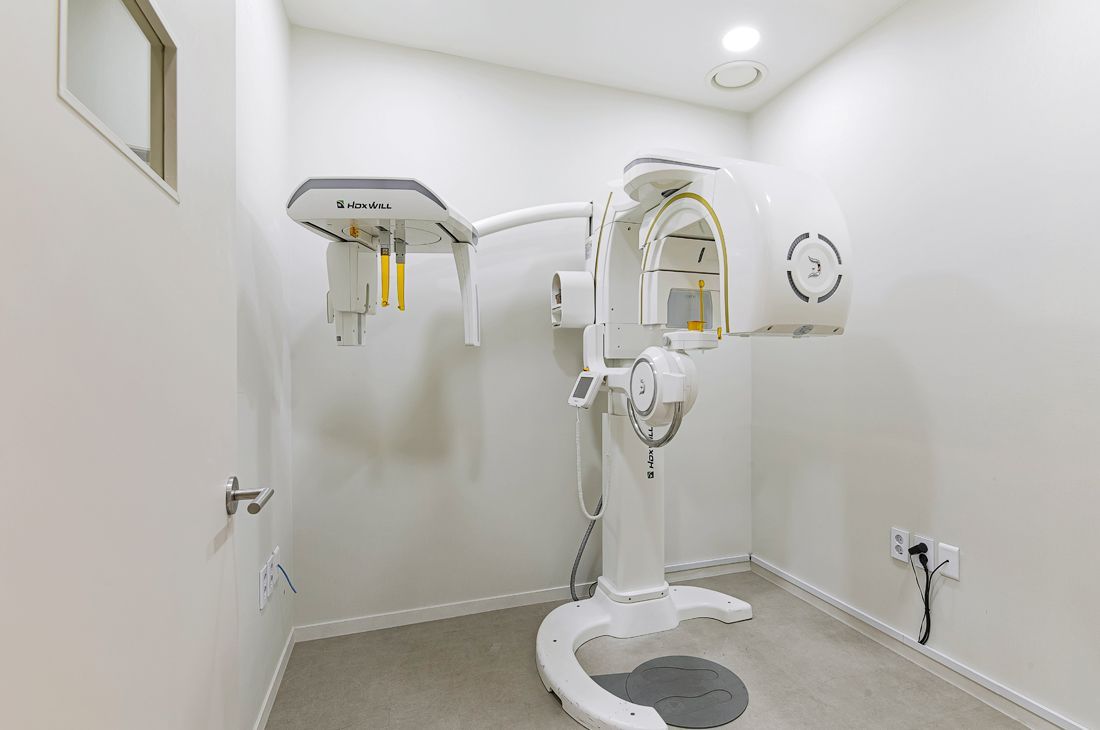
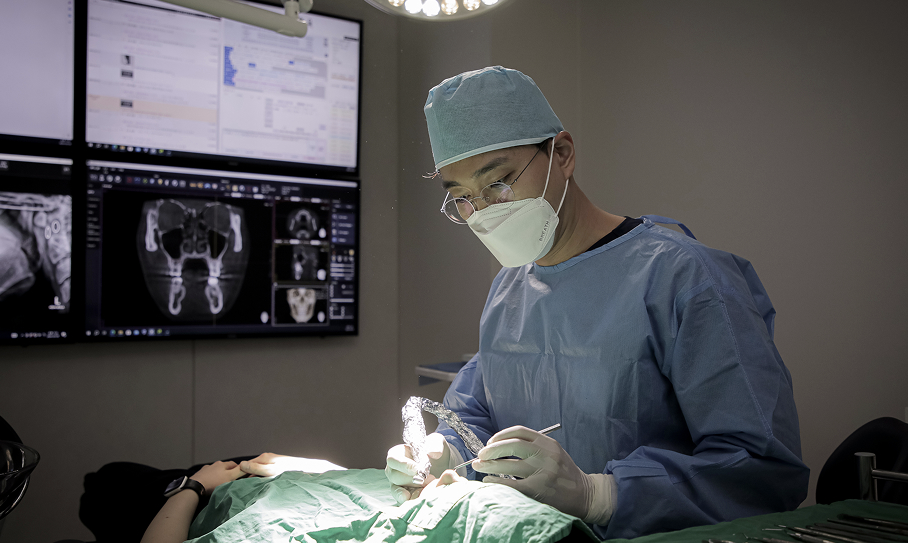
Korean clinics often use digital planning (CBCT + intraoral scans) to choose the abutment most suited for tissue support and long-term health.
Final Thoughts
In Korea, implant abutment selection is a strategic clinical decision, not just a material choice. Experienced implant dentists in Seoul combine digital planning, bone assessment, and aesthetic goals to determine which abutment type best supports long-term success and natural appearance.