Types of Dental Implants Used in Korea
Dental implants in South Korea, especially in Seoul, are known for their high success rates, advanced systems, and conservative treatment philosophy. Korean clinics use several implant types, selected based on bone condition, bite force, aesthetics, and long-term stability.
Below is a clear overview of the types of dental implants commonly used in Korea and how dentists decide which is best.
1. Titanium Dental Implants (Most Common)
What they are
Titanium implants are the standard and most widely used implant type in Korea.
Why Korean dentists prefer them
- Excellent biocompatibility
- Strong bone integration (osseointegration)
- Long clinical track record
- Suitable for most patients
Best for
- Single-tooth implants
- Multiple implants
- Full-arch implant cases
Titanium implants account for the majority of implant cases in Korea due to reliability and versatility.
2. Zirconia Dental Implants (Metal-Free Option)
What they are
Zirconia implants are ceramic, metal-free implants used mainly for aesthetic or allergy-related concerns.
Advantages
- White color (no gray shadow at gums)
- Suitable for patients with metal sensitivity
- High biocompatibility
Limitations
- Less flexible than titanium
- Fewer long-term studies
- Limited availability in complex cases
Best for
- Front teeth (esthetic zone)
- Patients requesting metal-free dentistry
Zirconia implants are selectively used, not routine.
3. One-Piece vs Two-Piece Implants
Two-Piece Implants (Most Common)
- Separate implant fixture and abutment
- Allows better angle correction
- Easier future repair or replacement
Preferred in Korea due to flexibility and long-term maintenance.
One-Piece Implants
- Implant and abutment fused into one unit
- Less commonly used
- Limited angle correction
Used only in very specific cases.
4. Bone-Level vs Tissue-Level Implants
Bone-Level Implants
- Placed at bone crest level
- Better aesthetic results
- Allows precise gum shaping
Most commonly used in Korean cosmetic and implant dentistry.
Tissue-Level Implants
- Collar sits above bone level
- Easier hygiene in some cases
- Less popular for front teeth
Used mainly for back teeth or special conditions.
5. Korean Implant Systems (Domestic Brands)
Korea is one of the world’s leading implant manufacturers.
Why Korean systems are widely used
- International certifications
- Proven clinical success
- Lower cost without quality loss
- Easy access to replacement parts
Korean implant systems are used globally and are considered very reliable.
6. Global / European Implant Systems
Some clinics also offer:
- Swiss
- German
- Other European implant brands
Why patients choose them
- Brand familiarity
- Long global history
However, performance differences are often minimal when placed correctly.
7. Guided (Digital) Implant Systems
What they involve
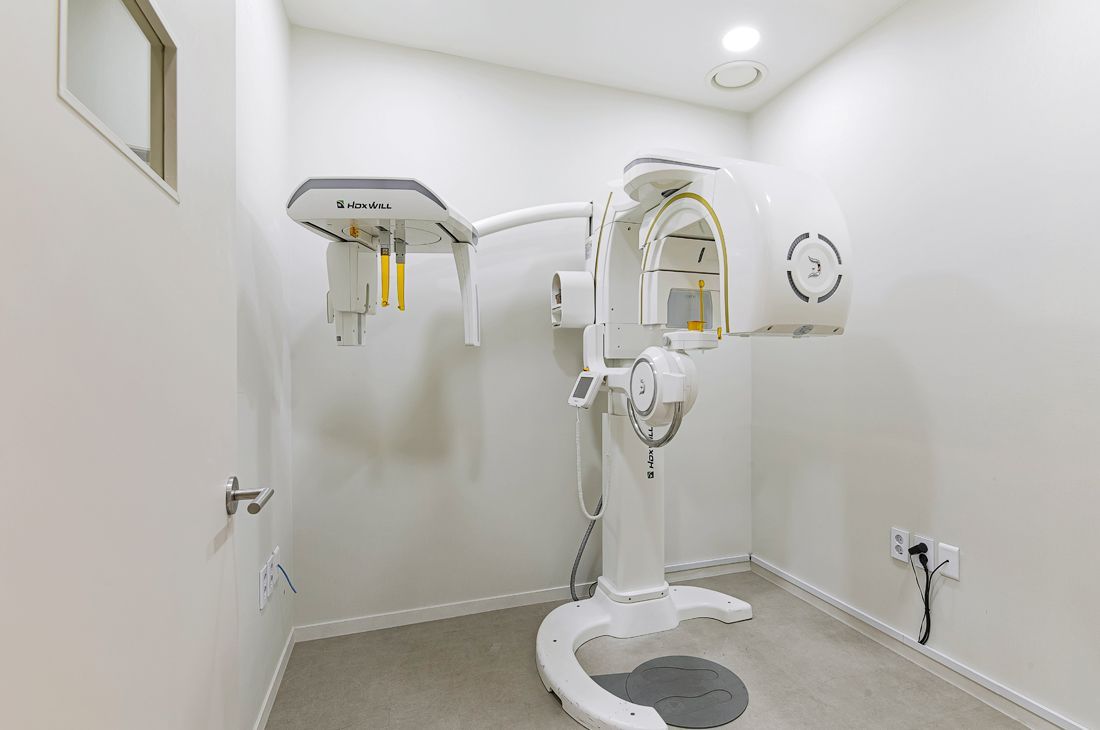
- 3D CBCT scanning
- Digital implant planning
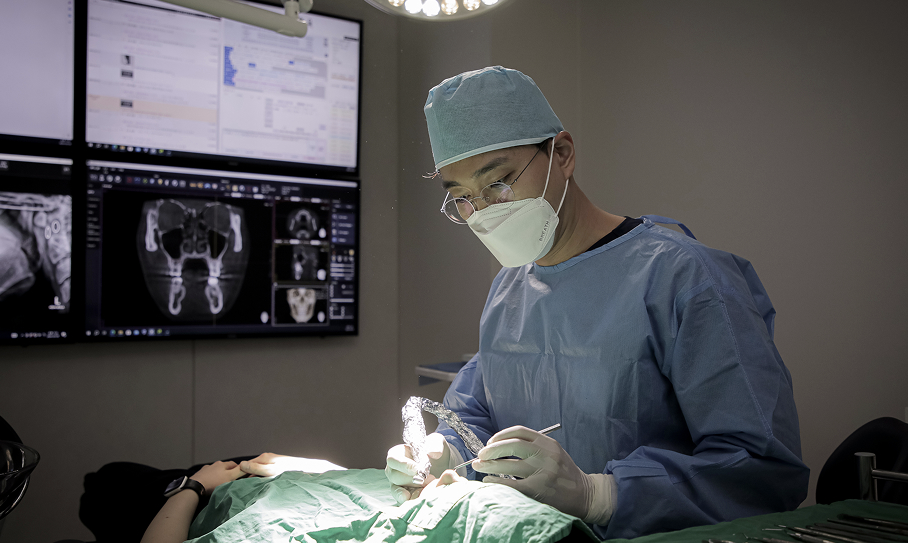
- Surgical guides for precise placement
Benefits
- Higher accuracy
- Less invasive surgery
- Reduced healing time
In Korea, guided implant placement is very common, even for standard cases.
8. Immediate vs Delayed Implant Placement
Immediate Implants
- Implant placed right after tooth extraction
- Shortens total treatment time
Delayed Implants
- Implant placed after bone healing
- Used when infection or bone loss exists
Korean dentists carefully choose timing to maximize success, not speed.
9. Implant Crowns & Abutment Types
While not implants themselves, they are critical components:
- Custom abutments (CAD/CAM)
- Zirconia or porcelain crowns
- Bite-optimized crown design
Implant success depends heavily on prosthetic planning, which Korean clinics emphasize.
How Korean Dentists Choose the Right Implant Type
Factors include:
- Bone density and volume
- Bite force and grinding habits
- Gum thickness and smile line
- Aesthetic expectations
- Long-term maintenance needs
The goal is function first, aesthetics second, longevity always.
Final Thoughts
Korea uses the full spectrum of modern dental implant types, with a strong preference for titanium, two-piece, bone-level implants placed using digital planning. Zirconia and specialty systems are available but used selectively.
What truly differentiates implants in Korea is not just the type—but the planning, placement accuracy, and conservative philosophy behind them.